For many people, the frustration of acne doesn’t end when the breakouts clear up. The scars left behind can affect confidence for years, and no amount of concealer ever seems to fully hide them. If you’ve been living with acne scarring, you’re far from alone, and there are more options available than you might think.
At House of Skincare in Newton Abbot, we treat acne scarring with a range of advanced clinic treatments, often combining two or more to achieve the best possible results. In this guide, we explain the different types of acne scars, how each treatment works and how to find the right approach for your skin.
Why Acne Leaves Scars Behind
When a breakout is deep or inflamed, it damages the tissue beneath the surface of the skin. As the skin heals, it tries to repair that damage by producing new collagen. If it produces too little, the skin is left with a dip or indentation. If it produces too much, a raised scar can form.
Picking or squeezing spots, leaving severe acne untreated and simply having skin that’s prone to inflammation can all increase the likelihood of scarring.
The Different Types of Acne Scars
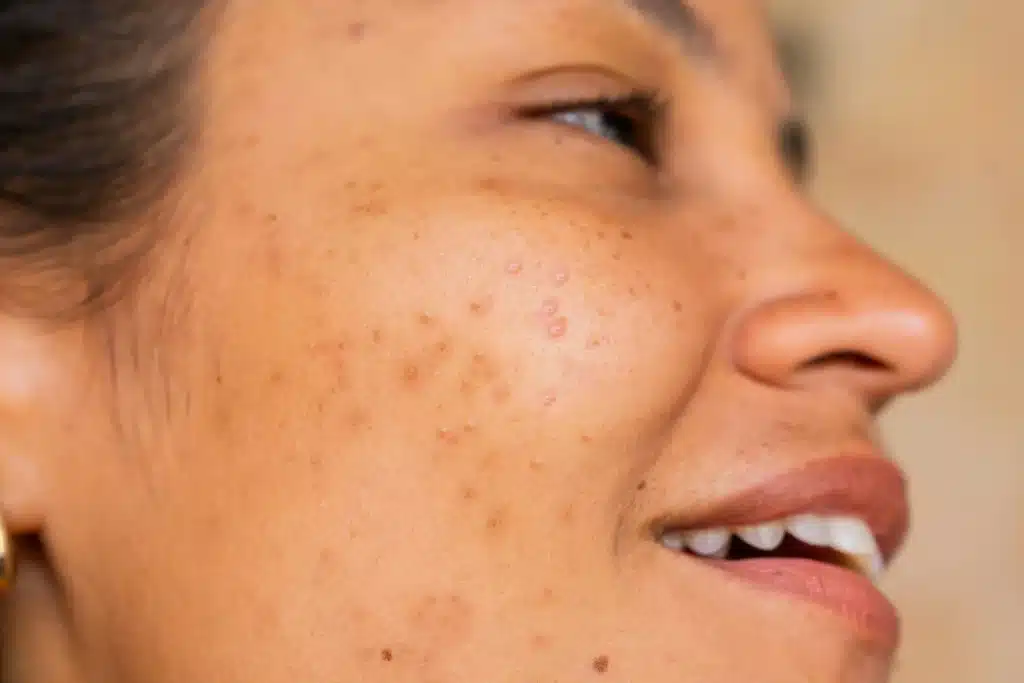
Acne scars come in several forms, and the type you have plays a big part in deciding which treatment will work best.
Ice Pick Scars
Narrow, deep scars that look like small punctures in the skin. They’re often found on the cheeks and tend to be the most stubborn to treat.
Boxcar Scars
Wider, round or oval depressions with sharper, defined edges, usually found on the cheeks and temples.
Rolling Scars
Broad, shallow dips with softer edges that give the skin a wavy, uneven appearance, particularly noticeable in overhead lighting.
Raised Scars
Firm, raised scars that form when the skin produces too much collagen during healing. These are more common on the chest, back and jawline.
Most people have a mixture of scar types, which is one reason combined treatment plans tend to deliver the best results.
Is It Scarring or Post-Acne Marks?
It’s worth understanding the difference between true scarring and the flat red, purple or brown marks that often linger after a spot has healed. These marks are a form of pigmentation rather than a change in the skin’s texture, and they respond to different treatments. If your skin feels smooth to the touch but looks uneven in colour, you may be dealing with marks rather than scars.
Our guide to [treating pigmentation and sun damage] covers many of the treatments that help fade these marks, and your consultation will confirm which concern you’re dealing with.
Acne Scar Treatments at House of Skincare
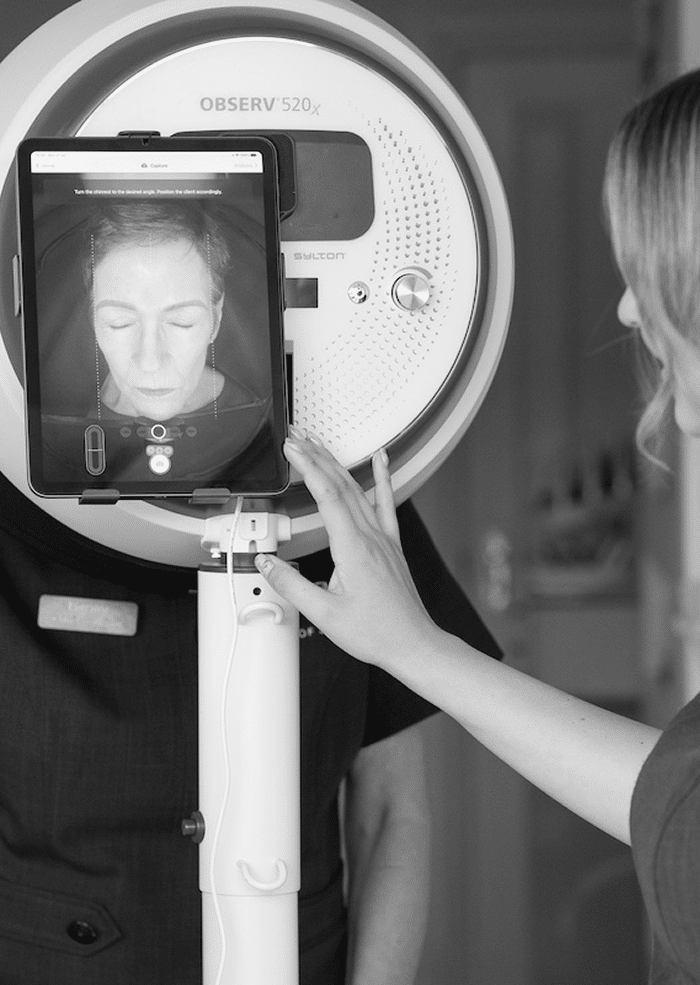
Your consultation starts with a close look at your skin, the types of scarring present and whether you’re still experiencing breakouts. If acne is still active, we’ll usually focus on bringing it under control first, as new breakouts can undo the progress made on existing scars.
Microneedling
Microneedling creates tiny, controlled channels in the skin, triggering its natural healing response and boosting collagen production. Over a course of treatments, this new collagen gradually lifts and softens depressed scars. It works particularly well for rolling and boxcar scars and involves minimal downtime, with most people experiencing redness for a day or two.
EndyMed RF Microneedling Intensif
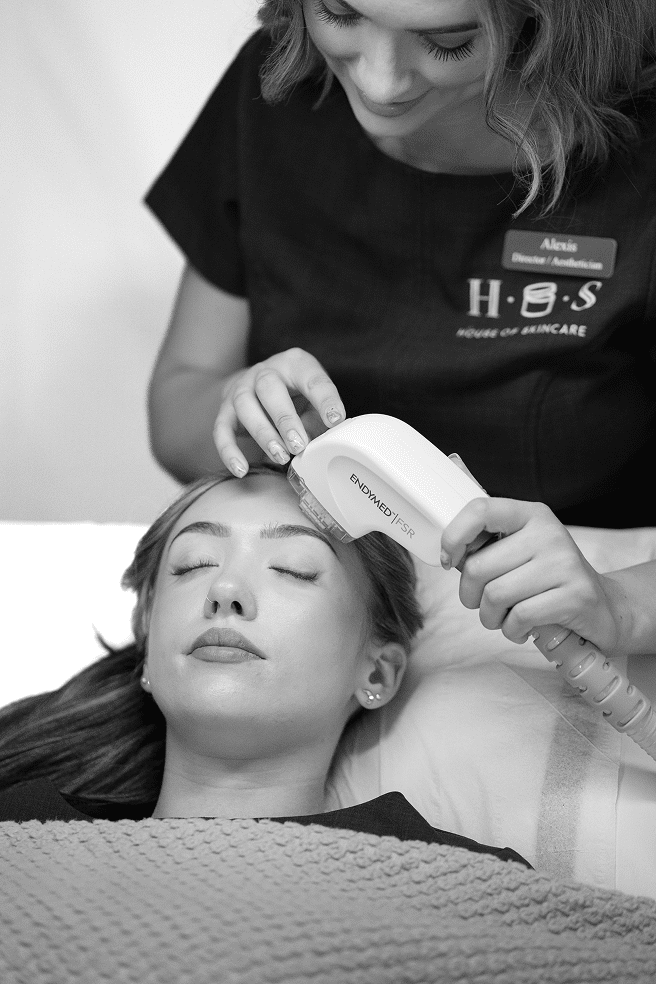
EndyMed Intensif combines microneedling with radiofrequency energy, delivering gentle heat deeper into the skin. This encourages stronger collagen remodelling and helps tighten and smooth the skin’s surface. It’s a great choice for deeper or more established scarring that hasn’t responded fully to other treatments.
AgeJet Nitrogen Plasma
AgeJet is a new and exciting treatment that works by using nitrogen plasma on the surface of the skin, making it well suited to targeting individual scars and refining uneven texture. It can help soften the defined edges of boxcar scars and improve the overall smoothness of the skin, and is often used alongside other treatments as part of a wider plan.
Harmony XL Pro
Harmony XL Pro is an advanced laser platform with dedicated settings for acne and scarring. It stimulates skin renewal to improve texture, and it can also address the redness and pigmentation that often accompany acne scars. This makes it a useful all-round option for clients with a mix of textural and colour concerns.
Chemical Peels
Chemical peels remove the outer layer of damaged skin cells to reveal fresher, smoother skin underneath. They’re most effective for mild, shallow scarring and post-acne marks, and certain peels can also help keep active breakouts under control. Peels are often scheduled between other treatments to keep the skin’s renewal process moving.
ExoCoBio Exosomes
ExoCoBio Exosomes are often applied after microneedling to support the skin’s recovery. They help calm the skin, reduce downtime and enhance the results of your main treatment, making them a valuable addition to a scar treatment course.
Why Combining Treatments Can Often Work Best
Because different scar types respond to different treatments, a combined plan usually achieves more than a single treatment alone. For example, microneedling might be paired with exosomes to boost recovery, with chemical peels scheduled in between to refine the surface.
It’s also important to have realistic expectations. Acne scarring improves gradually as new collagen forms, and most people need a course of treatments over several months. While scars rarely disappear completely, significant improvement in texture and overall appearance is very achievable.
Caring for Your Skin Between Treatments
A consistent homecare routine helps protect your results and keeps breakouts at bay. We often recommend these products from the AlumierMD range:
Book Your Acne Scar Consultation in Newton Abbot
Acne scars come in many forms, from deep ice pick scars to shallow rolling ones, and the best results usually come from a tailored plan that combines more than one treatment. With microneedling, EndyMed RF Microneedling Intensif, AgeJet, Harmony XL Pro, chemical peels and ExoCoBio Exosomes, supported by AlumierMD skincare at home, we can create an approach that suits your skin and your goals.
If you’re looking for acne scar treatment in Devon, the first step is a consultation at our clinic in Newton Abbot, where we’ll assess your scarring and talk you through your options. We welcome clients from across Devon, including Exeter. Get in touch today to book your acne scar consultation and take the first step towards smoother, more confident skin.
All information contained in this article has been medically reviewed by Alexis Fraser, experienced aesthetician & founder of House of Skincare.